


Last updated: August 2026 | Written by Prashant Kashyap, Founder at WellHealthys
Half the bottles in your bathroom cabinet probably say “organic” somewhere on the label, right next to an ingredient list almost nobody actually reads. That gap, between what the label promises and what’s really inside, is exactly why wellhealthorganic organic skincare confuses so many people.
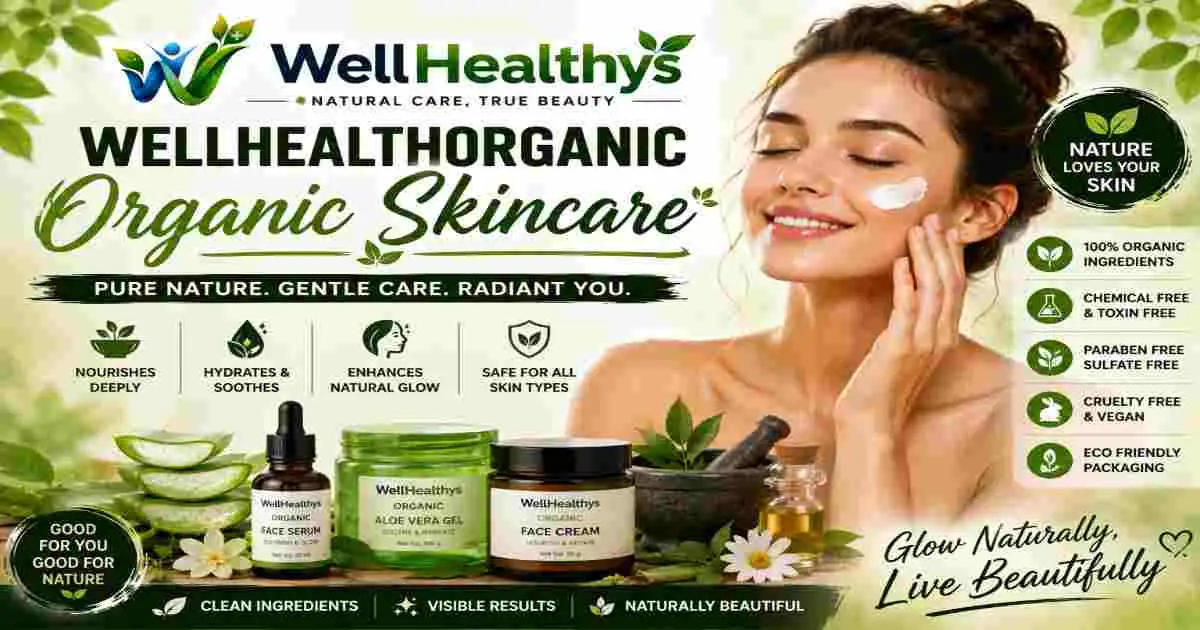
At WellHealthys, we wanted to answer that question honestly. This is our take on wellhealthorganic organic skincare, minus the hype and vague promises of “glowing skin in 7 days,” and with real information you can actually use. This guide covers everything from what “organic” legally means, to a natural skincare routine for your specific skin type, to the parts of organic skincare that nobody talks about, including where it falls short.
Whether you’re a teenager just starting to care about skincare, a working professional exploring natural grooming, or someone who has followed Ayurvedic beauty traditions your whole life, this guide is built for you.
What Is Wellhealthorganic Organic Skincare, Really? (Beyond the Marketing Label)
Here’s something most articles skip. The word “organic” on a product label is not just a vibe, it’s actually regulated in many countries. In the US, USDA Organic certification means at least 95% of the ingredients are certified organic, grown without synthetic pesticides or fertilizers. In India, there’s the India Organic certification, and internationally, many brands go for COSMOS certification, which is specific to organic and natural cosmetics.
But here’s the catch. A product can say “contains organic aloe vera” on the front and still be mostly water, synthetic preservatives, and fragrance behind it. That’s not illegal, just misleading if you don’t read the ingredient list.
This is also where people get confused between three different terms:
- Organic means the ingredients were grown without synthetic chemicals, and ideally the product is certified by a recognized body.
- Natural is a much looser term. It just means the ingredients come from nature, but they could still be processed heavily or grown with pesticides.
- Clean beauty is more about excluding a list of “bad” ingredients (parabens, sulfates, certain synthetic fragrances), regardless of whether the rest is organic or natural.
At WellHealthys, we believe you deserve to know this difference before you spend money on a product that’s organic in name only.
Why People Are Switching to Organic Skincare
More and more people are moving toward wellhealthorganic organic skincare every year, and the shift isn’t just a trend, though social media has definitely sped it up. A few real reasons are behind it.
Chemical sensitivity awareness has grown a lot. More people are noticing that certain parabens, sulfates, and synthetic fragrances cause breakouts, redness, or irritation on their skin over time. Once you connect the dots, going organic feels like a natural next step.
Traditional wisdom is making a comeback. If you grew up in an Indian household, chances are your grandmother had a turmeric-honey pack ready for every occasion. Ayurveda has used ingredients like neem, sandalwood, and besan for centuries, and a lot of modern organic skincare is just this wisdom repackaged with better marketing.
Sustainability matters more now. Organic farming practices tend to be gentler on soil and water, and a lot of organic beauty brands also focus on biodegradable packaging. For eco-conscious buyers, that’s a real factor, not just a nice-to-have.
One honest note here. Switching to organic isn’t a magic fix for every skin problem. It’s a personal choice based on your priorities, whether that’s ingredient transparency, sustainability, or simply preferring what feels gentler on your skin. Don’t let anyone (including us) convince you it’s the only “right” way to do skincare.
Skin is also just one piece of the puzzle. What you eat, how you sleep, and how active you are all show up on your face eventually. If you want the bigger picture, our guide on healthy life wellhealthorganic breaks down the daily habits that support skin from the inside out, not just the products you put on it.
Organic Skincare Routine by Skin Type

This is the part most guides skip entirely. They tell you “organic skincare works for all skin types,” which honestly isn’t that helpful. Different skin types need different approaches, organic or not.
Oily and Acne-Prone Skin
Oily skin needs ingredients that control excess sebum without stripping the skin completely, because stripping it just triggers more oil production.
- Morning: Wash with a neem-based cleanser or a besan (gram flour) and rose water paste. Follow with a lightweight aloe vera gel as moisturizer.
- Evening: Cleanse again, then apply a tea tree oil spot treatment on active breakouts (always diluted, never neat tea tree oil directly on skin).
- Weekly: A multani mitti (fuller’s earth) mask once or twice a week helps absorb excess oil, but don’t overdo it, as it can dry out skin if used daily.
Give this routine at least 3 to 4 weeks before judging results. Skin cell turnover takes time.
Dry Skin
Dry skin needs richer, oil-based ingredients that lock in moisture.
- Morning: A gentle honey cleanser, followed by a few drops of rosehip oil, then a thicker cream moisturizer on top to seal it in.
- Evening: Cleanse with a cream-based organic cleanser, apply aloe vera gel first for hydration, then layer rosehip or almond oil on top.
- Weekly: An overnight oil treatment (a mix of almond and sesame oil) once a week can make a noticeable difference in flakiness.
The order matters here. Water-based products go first, oils go last, to lock everything in.
Sensitive Skin
Sensitive skin does best with the fewest ingredients possible. More ingredients means more chances of a reaction.
- Stick to a one-ingredient or two-ingredient approach: plain aloe vera gel, a simple rose water mist, nothing with added fragrance.
- Always patch test before applying anything new to your full face. Apply a small amount on your inner arm and wait 24 to 48 hours.
- Avoid citrus-based DIY ingredients (lemon, orange peel) on sensitive skin, as they can cause photosensitivity and irritation.
Combination Skin
Combination skin (oily T-zone, drier cheeks) benefits from a zone-based approach rather than one product for the whole face.
- Use a lighter, oil-controlling product like aloe gel or a neem-based toner on the forehead, nose, and chin.
- Use a richer product like rosehip oil or a honey mask on the cheeks and jawline.
- This targeted approach avoids over-drying some areas while under-treating others.
A Simple Organic Grooming Routine for Men
If you’re new to skincare and just want something simple that works, here’s a starter routine:
- Cleanse with a mild, organic face wash (avoid harsh soap bars, they strip natural oils).
- Apply a lightweight moisturizer with aloe vera or jojoba oil, especially after shaving to calm irritation.
- Use a sunscreen during the day, ideally one with zinc oxide as a mineral, reef-safe option.
That’s it. Three steps, done consistently, beats a ten-step routine done once a month.
One thing that doesn’t get mentioned enough: regular exercise improves blood circulation, which genuinely helps skin look more alive. If building a workout habit is on your list too, our wellhealthorganic fitness guide is a good place to start, with routines that don’t require a gym membership.
DIY Organic Skincare Recipes (Safe, Step-by-Step)

Before trying any of these, patch test on your inner arm first. Natural doesn’t mean risk-free, and everyone’s skin reacts differently.
Turmeric and Honey Glow Mask
Mix half a teaspoon of turmeric powder with one tablespoon of raw honey. Apply to a clean face, leave for 10 to 15 minutes, then rinse with lukewarm water. Turmeric has anti-inflammatory properties, and honey is naturally antibacterial and hydrating. Use this once or twice a week, not daily, since turmeric can temporarily stain lighter skin tones (it fades quickly).
Besan and Sandalwood Cleansing Pack
Mix one tablespoon of besan (gram flour) with a pinch of sandalwood powder and enough rose water to form a paste. Apply, let it dry slightly for about 5 minutes, then rub off gently and rinse. This works well as a gentle exfoliating cleanser for oily and combination skin.
Aloe Vera and Rose Water Toner
Mix two tablespoons of fresh aloe vera gel with two tablespoons of rose water. Store in a clean spray bottle and use as a toner after cleansing. This combination calms redness and adds a light layer of hydration.
Important shelf-life note: these DIY mixes have no preservatives, so they spoil quickly. Make small batches, use within 2 to 3 days, and store the toner in the fridge to extend its life slightly.
The Honest Truth: Limitations of Organic Skincare
This is the section most organic skincare content avoids, because it doesn’t sound as good for marketing. But we’d rather you know this upfront.
Natural doesn’t mean allergy-free. Plant-based ingredients like essential oils, certain nuts, and even aloe vera can trigger allergic reactions in some people. In fact, botanical allergens are a well-documented cause of contact dermatitis. Don’t assume “it’s natural” automatically means “it’s safe for me.”
Some synthetic actives still have a longer track record. For serious anti-aging concerns, retinol (a synthetic derivative of vitamin A) has decades of clinical research behind it. The plant-based alternative bakuchiol has actually held up well in a randomized clinical trial published in the British Journal of Dermatology, showing similar improvement in wrinkles and pigmentation as retinol, with less irritation. So this isn’t a case of organic always losing out, it’s more about which specific ingredient has been studied for your specific concern. It’s okay to combine organic basics with a few well-researched actives, synthetic or plant-based, if your skin needs them.
Preservative-free products spoil faster. Most organic and DIY products skip synthetic preservatives, which means a shorter shelf life and higher contamination risk if you’re not careful with storage and hygiene.
Being upfront about this isn’t anti-organic. It’s just being honest, so you can make informed choices instead of chasing a “natural is always better” myth.
How to Spot a Genuinely Organic Product (Buying Guide)
Not everything labeled “organic” actually is. Before you spend money on wellhealthorganic organic skincare, here’s how to check the product is genuine.
Read the ingredient list, not just the front label. If “aloe vera” is listed near the bottom of a long list of chemical names, it’s a minor ingredient, not the star of the show.
Look for actual certification logos, like USDA Organic, India Organic, or COSMOS Organic, rather than just the word “organic” printed on the packaging. If you want to see exactly how the rules work, the FDA’s official page on organic cosmetics labeling explains it in plain terms, and it’s a good reality check before you trust any organic beauty products on the shelf.
Watch for greenwashing terms like “eco,” “pure,” or “natural essence,” which have no legal definition and are often just marketing language.
Price isn’t always a reliable indicator. A high price doesn’t guarantee authenticity, and a cheaper product with a genuine certification can be a better choice than an expensive one without any.
Building a Simple Organic Skincare Routine (For Beginners)

If all of this feels like a lot, here’s the simplest possible starting point.
- Cleanse once in the morning, once at night, with a gentle, organic cleanser suited to your skin type.
- Moisturize right after cleansing, while skin is still slightly damp, to lock in hydration.
- Protect with sunscreen every single day, even if you’re indoors most of the time, since UV exposure through windows still adds up.
Once these three steps feel like second nature, you can slowly add in extras like a weekly mask or a targeted treatment. Introducing one new product at a time (and waiting a week or two before adding another) makes it much easier to spot what’s actually working, or what’s causing a reaction.
Frequently Asked Questions
Is organic skincare better for acne?
It can help for mild acne, especially ingredients like neem and tea tree oil which have natural antibacterial properties. For moderate to severe acne, a dermatologist-recommended treatment plan is usually more effective, and organic products can work alongside it rather than replace it.
How long until I see results with organic products?
Most people notice changes in texture and hydration within 2 to 4 weeks of consistent use. Deeper concerns like pigmentation or acne scarring can take 8 to 12 weeks to show visible improvement.
Can teenagers use organic skincare safely?
Yes, in fact a simple organic routine is a great way to start, since it avoids harsh actives that younger skin doesn’t need yet. Stick to gentle basics: cleanser, light moisturizer, and sunscreen.
Is organic skincare more expensive?
Not necessarily. Many effective organic ingredients like aloe vera, besan, and honey are inexpensive kitchen staples. Branded organic products can cost more due to certification and sourcing costs, but DIY options keep it budget-friendly.
Can men and women use the same organic products?
Yes. Skin needs are based on skin type (oily, dry, sensitive) and concerns, not gender. The same aloe vera gel or neem cleanser works for anyone with oily skin, regardless of who’s using it.
If you’d rather read this in Hindi, our skin care in Hindi wellhealthorganic guide covers the same routines and DIY recipes, explained simply for Hindi-speaking readers.
Organic skincare kya hota hai?
Organic skincare wo products hote hain jo bina synthetic pesticides ke ugaye gaye ingredients se bante hain, jaise turmeric, neem, aloe vera. Inme parabens, sulfates ya artificial fragrance nahi hota, aur genuine organic product me kam se kam 95% ingredients certified organic hone chahiye.
Kya organic skincare beginners ke liye safe hai?
Haan, bilkul. Beginners ke liye organic skincare ek achha starting point hai kyunki isme harsh chemicals nahi hote. Bas simple 3-step routine follow karein: cleanse, moisturize, aur sunscreen, aur naye product ko pehle patch test zaroor karein.
Ghar par organic face mask kaise banayein?
Sabse aasan tarika hai turmeric aur honey mask, aadha chammach turmeric ko ek chammach honey ke saath mix karke 10-15 minute lagayein. Ya besan aur gulab jal se cleansing pack bana sakte hain, dono hafte me 1-2 baar use karein.
Organic skincare se result kitne din me milta hai?
Zyadatar logon ko 2 se 4 hafte me skin texture aur hydration me farak dikhna shuru hota hai. Pigmentation ya acne scars jaise deeper concerns ke liye 8 se 12 hafte lag sakte hain, isliye patience rakhna zaroori hai.
Kya organic products har skin type ke liye same hote hain?
Nahi, ye galat dhaarna hai. Oily skin ke liye neem aur multani mitti achhe hain, dry skin ke liye rosehip oil aur honey better hain, aur sensitive skin ke liye kam se kam ingredients wale simple products best rehte hain.
Your Next Step
Pick the skin-type routine above that matches you, and give it a real 3-week trial before switching to something else. Skin needs consistency more than it needs new products every week.
- Try one DIY recipe from this guide this weekend.
- Check your current products against the buying-guide checklist above.
- Explore more skin, fitness, and lifestyle guides at WellHealthys, and subscribe for weekly, no-nonsense wellness tips.
Disclaimer
This article is for general informational and educational purposes only and is not a substitute for professional medical or dermatological advice. Everyone’s skin reacts differently, even to natural ingredients, so always patch test new products or DIY recipes before full use. If you have a diagnosed skin condition, persistent irritation, or are unsure about an ingredient, please consult a qualified dermatologist before starting a new routine. WellHealthys is not responsible for any adverse reaction resulting from the use of tips shared in this article.
At WellHealthys, we believe good wellhealthorganic organic skincare doesn’t need to be complicated or expensive. It just needs to be honest, consistent, and actually suited to your skin. Start with the basics, listen to how your skin responds, and build from there.
About the Author
Prashant Kashyap is a health and wellness content creator at WellHealthys, sharing practical tips on health, fitness, nutrition, beauty, and healthy living. His goal is to make useful wellness information simple, engaging, and easy to understand.
