


Key takeaways
- Know your numbers: blood pressure, lipid profile results, and blood sugar.
- Treat chest pressure during activity as a reason to get checked, not as acidity by default.
- Call 108 or 112 for chest pain, severe breathlessness, or fainting.
- Book a basic screening based on your age and risk factors.
Last winter, a 46-year-old office manager in Pune told her family she had a “gas problem” after a heavy dinner. She felt pressure in her chest, a little sweaty, and tired in a way she couldn’t explain. She took an antacid and went to bed. Her husband, who had read about heart attacks, insisted on calling an ambulance the next morning. The ECG showed a blocked artery that needed urgent treatment. The detail that stayed with them was how ordinary the symptoms felt.
This is a composite example, based on the patterns doctors describe most often, but it’s one that many families recognise. This guide explains what heart health means for Indian adults, which signs deserve attention, what to do in the first minutes of an emergency, and which tests make sense at different ages. It’s written by the WellHealthys health content team and reviewed for accuracy, but it doesn’t replace advice from your own doctor. You can learn more about our team on our About Us page.
What heart disease means, and why it matters in India
“Heart disease” isn’t a single illness. It’s an umbrella term for several conditions that affect the heart or its blood vessels. The three most common are coronary artery disease, where fatty deposits narrow the arteries that feed the heart muscle; heart failure, where the heart pumps less effectively than it should; and arrhythmia, where the heartbeat is too fast, too slow, or irregular. For a broader look at these conditions, browse our health conditions section.
India carries a heavy share of this burden. Research has found that South Asians tend to develop cardiovascular disease earlier than people in many other populations, often at a lower body weight. Risk factors such as diabetes, high blood pressure, and central obesity (weight carried around the waist) play a large part. Practical heart disease prevention India guidance starts early, because most of these factors can be measured and managed long before they cause trouble.
Early warning signs most people ignore

Heart symptoms don’t always arrive as dramatic chest pain in a movie. Many people describe pressure, tightness, or heaviness in the centre of the chest that comes on with exertion and eases with rest. Others notice breathlessness while climbing stairs that didn’t bother them a year ago. Some feel unusual fatigue, dizziness, or swelling in the ankles and legs.
Many people mistake these signs for acidity or muscle strain, which is understandable. Acidity usually feels like burning that worsens after meals or when lying down. Discomfort that appears during physical activity, or comes with sweating or breathlessness, deserves a closer look. A simple rule helps: if you can’t say with confidence that it’s something else, get it checked. Knowing the warning signs of heart attack can make this decision easier.
Some people have no symptoms at all in the early stages, especially those with diabetes, which can dull chest pain signals. This is why regular screening matters, even when you feel fine.
Heart attack symptoms in women, which are often missed
Women can have heart attack symptoms that don’t look like the classic picture. The American Heart Association lists shortness of breath, nausea or vomiting, pain in the jaw, neck, or back, cold sweats, and extreme tiredness as signs that can appear without significant chest pain.
These symptoms are easy to dismiss. A woman who feels nauseous and exhausted may put it down to a stomach bug, stress, or perimenopause, and she may wait a day before seeking help. Doctors have also been known to attribute these symptoms to anxiety, which can delay tests.
If you’re a woman who notices any of these signs alongside unusual tiredness or breathlessness, especially if you have diabetes, high blood pressure, or a family history of heart disease, don’t wait to find out whether it passes. Tell someone, and ask for an ECG test.
Heart attack, heart failure, and cardiac arrest: what’s the difference?
These three terms get used interchangeably, but they describe very different problems.
| Condition | What happens | Typical signs | What to do |
| Heart attack | A blocked artery stops blood reaching part of the heart muscle | Chest pressure, pain spreading to arm, jaw, or back, breathlessness, sweating, nausea | Call 108 or 112 immediately |
| Heart failure | The heart pumps less effectively over time | Breathlessness on lying flat, leg swelling, fatigue, weight gain from fluid | See a doctor promptly; it’s usually managed long term |
| Cardiac arrest | The heart suddenly stops pumping effectively | Collapse, no normal breathing, no pulse | Call for help, start CPR, and use an AED if available |
A heart attack is an emergency, but the heart often keeps beating, which is why fast treatment saves muscle. Cardiac arrest is an emergency where every minute without CPR reduces the chance of survival. Heart failure is usually a long-term condition that improves with treatment and lifestyle changes, so it’s managed differently.
What to do in an emergency: the first minutes matter
If someone has chest pain, severe breathlessness, or fainting, act right away. Call 108 (ambulance) or 112 (national emergency number). Don’t wait to see if the symptoms pass.
While you wait for help, keep the person sitting or lying comfortably and calm. Don’t let them drive themselves to hospital. Loosen tight clothing, and note what time the symptoms started. If the person takes regular medicines, keep the packet or a list ready for the paramedics.
Don’t give any medicine on your own unless a doctor or emergency responder has told you to. Dosing depends on the person’s health history and the type of emergency.
If the person collapses and isn’t breathing normally, start hands-only CPR steps: push hard and fast in the centre of the chest, at about 100 to 120 compressions per minute, and keep going until help arrives or the person starts breathing normally. If an AED (automated external defibrillator) is nearby, use it as the device instructs. Some public places have AEDs, so it’s worth knowing where the nearest one is.
Blood pressure and heart rate: normal numbers and when to worry
For most adults, a resting heart rate between 60 and 100 beats per minute is considered normal. A resting rate consistently above 100 or below 60 is worth discussing with a doctor, especially if you also feel dizzy, breathless, or faint. Athletes often have lower resting rates, and that’s usually healthy.
Blood pressure is measured as two numbers: systolic (the pressure when the heart beats) and diastolic (the pressure between beats). The American Heart Association groups readings like this:
| Category | Systolic (top number) | Diastolic (bottom number) |
| Normal | Less than 120 | Less than 80 |
| Elevated | 120 to 129 | Less than 80 |
| High, stage 1 | 130 to 139 | 80 to 89 |
| High, stage 2 | 140 or higher | 90 or higher |
If your reading is above 180 systolic or above 120 diastolic, rest for five minutes and measure again. If it’s still that high and you have chest pain, breathlessness, weakness, or confusion, seek emergency care. Recognising high blood pressure symptoms early matters, because many people feel fine even when the reading is high.
For a reliable blood pressure check at home, sit quietly for five minutes first, rest your back against a chair with your feet flat, support your arm at heart level, and avoid caffeine or smoking for 30 minutes beforehand. Keep a simple log of readings for your doctor. Two weeks of home readings often tells a doctor more than a single reading in the clinic.
Cholesterol and blood sugar: why both matter
Cholesterol travels through the blood carried by proteins. LDL, often called “bad” cholesterol, can build up in artery walls and form plaque. HDL, the “good” cholesterol, helps remove some of it. Triglycerides are another type of fat in the blood, and high levels are linked to heart risk, especially with diabetes or high alcohol intake.
Blood sugar matters because high glucose over time damages small and large blood vessels. Diabetes raises the risk of heart disease significantly, so controlling it is one of the most effective protective steps.
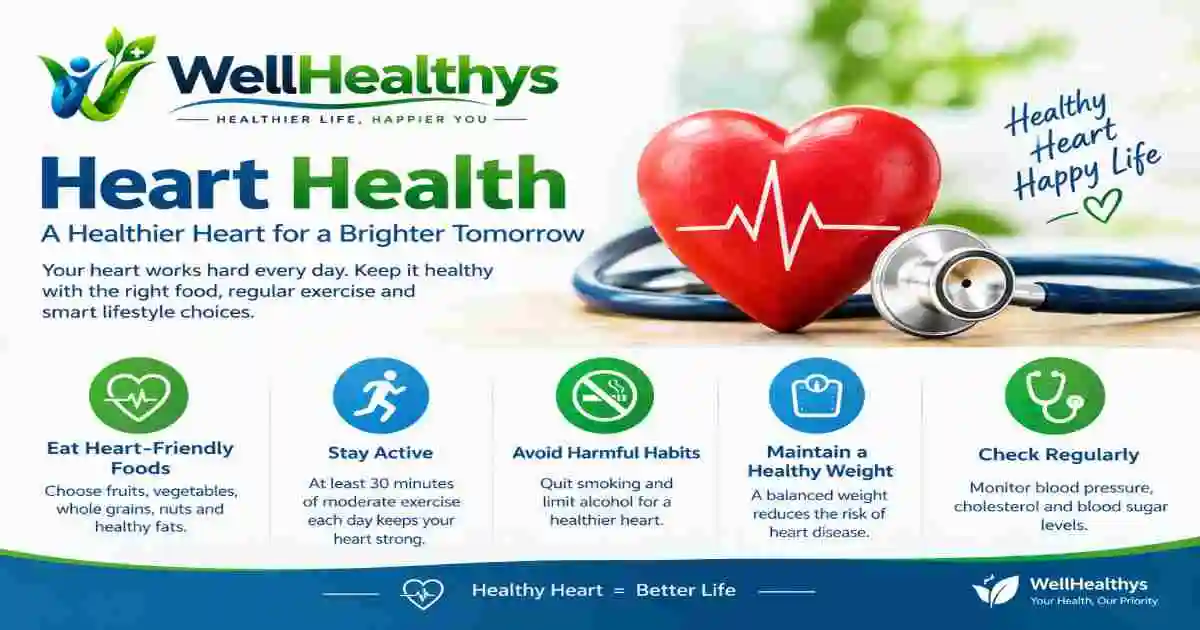
The usual tests are a lipid profile (cholesterol and triglycerides), fasting blood glucose, and an HbA1c test, which reflects average blood sugar over about three months. Your doctor will interpret your results against your overall risk, age, and family history, rather than a single number.
Heart screening by age: what tests to get and when

Screening needs vary, and the schedule below is a general guide. Your doctor may recommend tests sooner if you have diabetes, high blood pressure, a family history of early heart disease, smoking habits, or a high waist measurement.
| Age group | Common checks | Why it matters |
| 20s | Blood pressure, weight and waist, and a lipid profile if there’s family history | Builds a baseline and catches early risk |
| 30s | Blood pressure, lipid profile, fasting glucose or HbA1c | Risk factors start adding up, and changes are easier to reverse |
| 40s | Everything above, plus an ECG if symptoms or risk factors are present | Heart disease becomes more common, and early detection is valuable |
| 50s | Everything above, plus a discussion about further tests based on risk | Risk rises with age, and tests may be needed more often |
| 60 and above | Regular blood pressure checks, lipids, blood sugar, and ECG as advised | Monitoring helps manage conditions that are already present |
An ECG test (electrocardiogram) records the heart’s electrical activity and is quick and painless. An echocardiogram uses ultrasound to check the heart’s structure and pumping strength, and your doctor will recommend it if there’s a reason to look more closely.
Ask your doctor about your own schedule, and bring this table to your appointment if it helps the conversation.
Everyday habits that protect your heart in Indian households
Heart protection doesn’t require giving up the foods you love. It usually means adjusting how much and how often. A heart-healthy diet India approach works with home-cooked meals rather than against them.
Salt: Pickles, papads, and packaged snacks can add up quickly. Try cutting back on pickles at each meal, and choose low-sodium options when shopping.
Oil and ghee: Using a measured amount of oil instead of pouring freely makes a big difference over a week. Rotating between oils, and using a little ghee rather than none, is a reasonable middle path for most families.
Sugar and refined carbs: Sugary tea several times a day adds up. Try reducing sugar gradually, and choose whole grains like brown rice, millets, and atta over refined flour where you can.
Movement: A brisk 30-minute walk on most days is a practical target. If you can’t fit it in one block, three 10-minute walks after meals work too.
Smoking and alcohol: Quitting tobacco gives one of the fastest benefits to heart health. If you drink alcohol, keep it moderate, and if you don’t drink, don’t start for heart reasons.
Sleep: Regular sleep supports blood pressure and blood sugar, so treat seven to eight hours as a serious goal rather than a luxury.
For more ideas on building these habits into everyday life, see our guide to daily healthy lifestyle habits, or browse our healthy eating basics.
Heart health and stress
Long-term stress raises blood pressure and can push people toward habits that harm the heart, such as poor sleep, overeating, and smoking. Stress doesn’t cause heart disease on its own, but it can make other risk factors worse.
Practical ways to ease it include setting short breaks into a busy day, slow breathing for a few minutes before a stressful task, and talking with someone you trust. Some people find that a regular walk or a hobby helps more than any technique.
If stress, worry, or low mood keeps interfering with your sleep, work, or relationships, speak to a doctor or counsellor. Getting help for mental health is part of protecting your heart. You can read more on our mental health page.
Frequently asked questions
Is chest burning always gas or acidity?
Not always. Acidity often feels like a burning sensation that worsens after meals or when lying down. Heart-related chest discomfort is more likely to feel like pressure or tightness, to come on during activity, and to come with breathlessness or sweating. When you can’t tell the difference, get a doctor to check.
What is a normal resting heart rate?
For most adults, a resting rate between 60 and 100 beats per minute is normal. Fitter people may sit lower, and that’s usually healthy. A rate that’s consistently outside this range, or one that comes with dizziness, needs a medical opinion.
Can young people get heart disease?
Yes, though it’s less common. Young adults with a family history of early heart disease, high cholesterol, diabetes, smoking habits, or heavy drinking are at higher risk. Screening in the 20s and 30s can catch problems early.
Do I need an ECG if I feel fine?
Not always. Routine screening decisions depend on your age, risk factors, and family history. Your doctor can tell you whether an ECG makes sense for you. Feeling well doesn’t rule out early disease, which is why risk-based checks matter.
Can heart disease be reversed?
Some changes in the arteries can slow or partly stabilise with treatment and lifestyle changes, and many people live well for decades after a diagnosis. Complete reversal is less common, so the goal is usually to stop progression and reduce future events. Discuss what’s realistic for you with your doctor.
Seene mein gas aur heart attack ke signs mein kya farak hai?
Acidity aksar jalan jaisi lagti hai, aur khane ke baad ya lete hone par badhti hai. Heart se judi takleef dabav ya bhaari pan jaisi hoti hai, mehnat karne par aati hai, aur saath mein saans phoolna ya paseena aa sakta hai. Shak ho to ECG karwayein, andaaza na lagayein.
Ghar par BP kaise check karein?
Check karne se 30 minute pehle chai, coffee ya smoking na karein. 5 minute aaram se baithein, pair zameen par aur haath dil ki height par rakhein, phir reading lein. Roz ek hi time par readings likhein aur doctor ko log dikhayein.
Kya 30 saal ki umar mein bhi heart check-up karwana chahiye?
Har kisi ko zaroori nahi, lekin 30 ke aas-paas BP, cholesterol aur blood sugar check karwana samajhdaari hai. Ye khaas kar zaroori hai agar family mein jaldi heart problem hui ho, diabetes ho, ya weight zyada ho. Doctor aapki risk dekh kar ECG ya dusre tests ki salaah dega.
Final thoughts
Heart health comes down to three habits: knowing your numbers, recognising warning signs early, and acting quickly when something feels wrong. None of these require a complicated routine. They require paying attention, and asking for help when you need it.
Call to action
If you have chest pain, severe breathlessness, or fainting, call 108 or 112 now. Don’t wait to see if it passes.
If you feel well but haven’t had a check-up in a while, book a basic heart screening with your doctor this month. Ask for a blood pressure check, a lipid profile, and an HbA1c test, and bring your home blood pressure log.
Found this useful? Save this page and share it with a family member who has risk factors. If there’s a heart topic you’d like us to cover, let us know through our Contact Us page.
Medical disclaimer
This article is for general information only and doesn’t replace professional medical advice, diagnosis, or treatment. Symptoms, test interpretations, and medicines should always be discussed with a qualified doctor. If you have chest pain, breathlessness, fainting, or any other emergency symptom, seek care immediately. For details on how we handle content, read our medical disclaimer.
